
The Marathon Journey to Grade 1 Piano
I feel it is important to write this brief guide to what Grade 1 piano entails so that students and parents can understand that the term ‘Grade 1’ is not beginner standard. However, I’ve included much information in this article that is helpful for anyone working towards a graded piano examination. Having said that…Grade 1 piano is a significant mile stone.
In my opinion, for a complete beginner to get to Grade 1 piano standard it is probably the longest journey for budding pianists. The amount of skill, knowledge and musicality is demanding and it cannot be rushed and it must not be underestimated. There are no short cuts, every step leading to Grade 1 needs to be covered and the pianist must be solid in his foundations.
If parents and pupils are too hasty in trying to get to the Grade 1 exam day, it is short sighted and storing up problems further down the road. If you think you can learn three pieces by rote and not develop reading skills or the theoretical knowledge for scales, the highest pass marks will not be possible. ALL parts of the syllabus must be worked on to ensure all round musical ability and progression. Please don't try and build a house on sand..... it never ends well. Indeed, the ABRSM offer pre-grade 1 examinations like the Preparatory Test then the Initial Grade which can help young musicians to develop exam skills and build towards Grade 1.

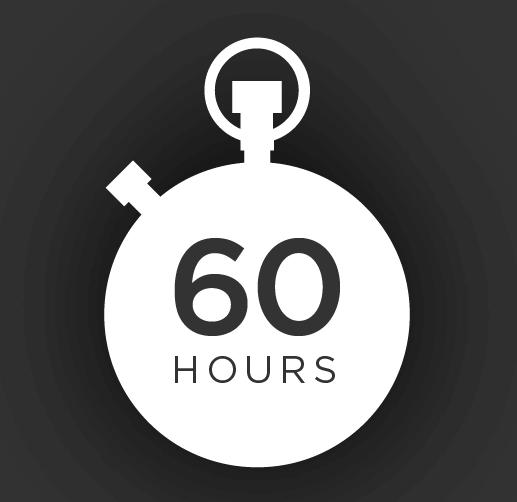
The ABRSM say the average time required to reach this standard would be 60 HOURS for total qualification time to prepare for this standard which is a 12 minute face to face exam. This is a considerable investment of time and effort. From starting to learn the pieces and scales and working on the aural and sight reading, if a student practises 30 minutes 5 times a week and has a 45 minute lesson once a week, grade 1 would take about 4 or 5 months. But this is not 5 months from being a complete beginner!
NOTE: If a student only practises 10 minutes 3 times a week, this will take more like 12-18 months! So frequency of practise is essential but so is the quality of practise.
It can often take 18 months to 2 years of essential foundational learning and development before a pianist even commences learning the Grade 1 materials. This is why I constantly demonstrate in lesson HOW to practise. Students may well sit at the piano for 30 minutes every day but if they do not focus on accuracy and actually improving their playing, they will have limited success. The whole process will take much longer if they practise with mistakes as they become ingrained and sometimes impossible to resolve.
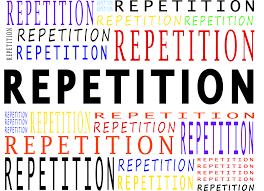
They need to approach a new piece as though they are problem solving and should be thinking about they key, the time signature, which fingerings are appropriate. It will need work hands separately (MORE THAN ONE ATTEMPT), slow practise and some sections will need LOTS of REPETITION. Proper practise is not playing through pieces from start to finish, that it the reward the follows once we have completed a great deal of diligent and intelligent practise. A great deal of practise should sound like a 'stuck record' - the finished polished piece comes after a lot of hard work.
The syllabus requirements assume that Grade 1 pianists can play with a significant level of coordination, perform in different styles, have a good command of pulse and rhythm and can read notes fluently across all lines and spaces of the Great Stave. They also need to be able to respond to music they listen to with appropriate language and are expected to attempt sight reading a piece they have never seen before with only 30 seconds to look at it
The pieces require technical competence so that pianists can get a significant range of dynamics and articulation nuances with assurance. Pieces should be played to a level where the style of the piece has clearly been considered, merely trudging through the notes with hesitations and mistakes or playing them with little expression will not lead to success. This is why I try to arrange concerts to provide my students with opportunities to perform. Please encourage students to perform in Tip Top concerts, also events that school may offer and please ask them to play for family and friends. Students should also record themselves and listen back to see if they really are playing fluently and musically. Students who send me videos in between their weekly lessons always progress better than students who don’t do this. I am more than happy to receive little clips and offer feedback – free of charge!
So what exactly does Grade 1 piano involve? What is the standard?
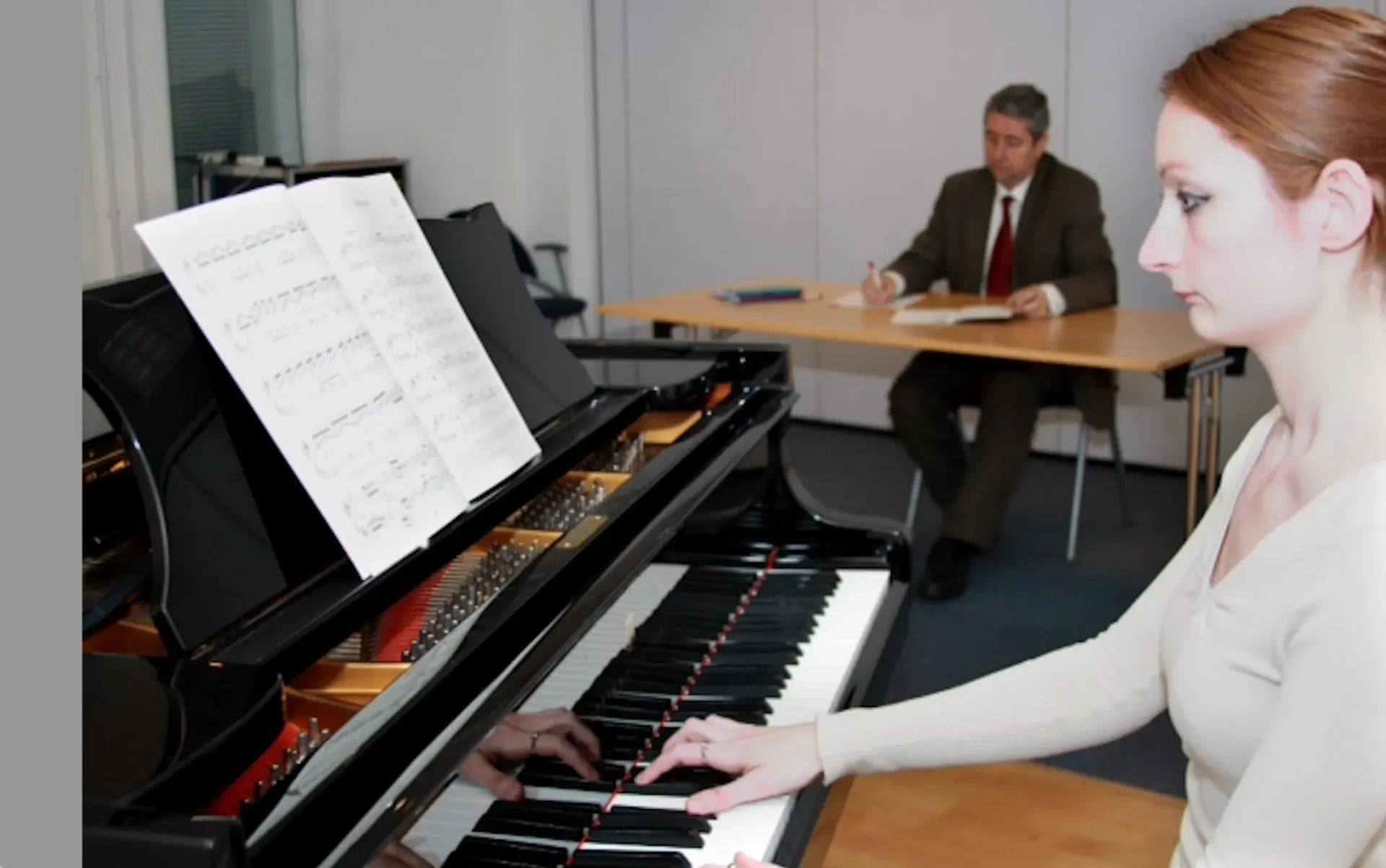
The syllabus has the same categories for each grade. Scales & Arpeggios, 3 pieces, Sight Reading and Aural Tests. All aspects need to be thoroughly prepared well before I enter students for the exam. I expect students to at least work towards passing with Merit. There are face to face exam sessions available in Spring (Feb/March) Summer (Junes/July) Autumn (Nov/Dec).
Pass – 100 marks
Merit – 120 marks
Distinction – 130 marks
Scales & Arpeggios - 21 Marks
These need to be memorised, fluent and confident. Usually these are played first in the exam and first impressions count. They give the pianist chance to get a feel for the piano and should be a positive start. There is no excuse to not know these thoroughly. In Grade 1, these are mostly hands separately 2 octaves but the C major scale is hands together. To get distinction marks students need scales & arpeggios to be as follows:
● Fluent and rhythmic
● Musically shaped
● Confident response
Three Pieces:
List A piece 30 marks - generally faster moving and require technical agility
List B piece 30 marks - more lyrical and invite expressive playing
List C piece 30 marks - reflect a wide variety of musical traditions, styles and characters.
The pieces for the highest marks should be played as follows;
- Highly accurate notes and intonation
- Fluent, with flexibility where appropriate. Rhythmic character well conveyed
- Well projected. Sensitive use of tonal qualities
- Expressive, idiomatic musical shaping and detail
- Assured. Fully committed. Vivid communication of character and style
Sight Reading – 21 marks
Pupils who neglect developing their reading skills will struggle to get merit and distinction passes. It is wise to continually work on this skill using note reading apps such as ‘Note Rush’ for quickly identifying notes but also the sight reading books that I recommend because students need to learn to read how to navigate reading by intervals and also playing with a good sense of rhythm. The more different music you read, the better you will get! It also means you will decode your pieces more easily and be able to learn more independently.
This is the standard of sight reading expected for distinction:
- Fluent, rhythmically accurate
- Accurate notes/pitch/key
- Musical detail realised
- Confident presentation
Aural – 18 marks
Students have to clap a pulse and identify if there are 2 or 3 beats in a bar. There are short melodies to sing back as echoes and changes to identify. The last test requires musicians to listen to a piece of music played by the examiner then answer questions about the dynamics and articulation. Students should use appropriate musical vocabulary. Developing good aural skills helps many aspects of musicianship, if they can sing it, they stand a good chance of playing it! I advise students to sing in the school and/or church choir to improve this skill and it is wise to listen to a wide variety of music – classic fm is very helpful to develop musical understanding and hone listening skills.
Distinction aural skills require the following:
- Accurate throughout
- Musically perceptive
- Confident response
And after the exam?
Please, please, PLEASE… Don’t be in a hurry to do the next grade. I absolutely hate it when pupils take their exam then arrive at their next lesson with the following exam grade pieces. This is not musical and eventually students reach the end of the road where their natural ability and poor practise habits just won’t get the next certificate anymore.

The lack of foundations in technique, knowledge and musicianship absolutely hinders them. In between each grade work, the musician needs to work on repertoire, play duets, accompany other musicians and play things that are NOT exam music. Pianists need to learn whole new set of skills before attempting the next grade and embed the learning before progressing to the next grade.
Longterm…. The tortoise always fares better.
Julie Csorba 6th February 2026